Why the next generation of metabolic medicine doesn’t require needles, refrigeration, or compromise.
A note from Dr. Sanjeev Goel:
After 25 years in longevity medicine, I’ve learned that the best therapies—even breakthrough innovations like Orforglipron—mean nothing if patients don’t use them consistently.
And that’s the problem with injectable GLP-1s.
The clinical data are exceptional. The mechanism is sound. The results are reproducible.
But when 40% of patients discontinue within six months—not because the medication doesn’t work, but because of injection fatigue, travel complications, or simple adherence friction—we have a delivery problem, not an efficacy problem.
That’s why Orforglipron represents more than just another GLP-1 variant.
It’s the first time we can offer the complete clinical benefits of GLP-1 receptor agonism in a format that patients actually maintain long-term.
Let me explain what that means for you.
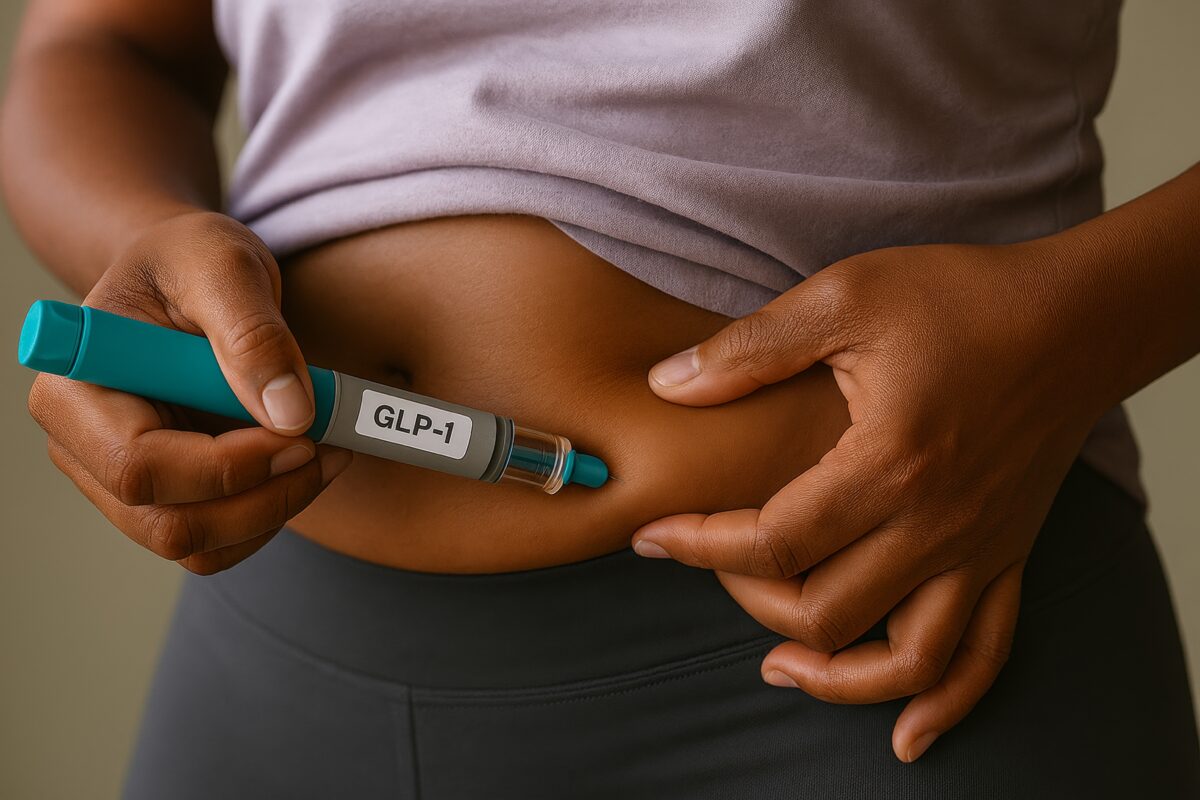
The Compliance Problem in GLP-1 Therapy
Injectable GLP-1 receptor agonists represent a legitimate breakthrough in metabolic medicine. The mechanism is elegant, the data are robust, and the outcomes are clinically significant.
But there’s a gap between efficacy and effectiveness that most physicians don’t discuss.
Efficacy = Does it work in controlled trials?
Effectiveness = Does it work in real-world practice when patients must maintain the regimen independently?
The published discontinuation data tells a sobering story:
Why Patients Stop GLP-1 Therapy
- ❌ Weekly injection burden – Compliance fatigue is cumulative
- ❌ Cold-chain requirements – Refrigeration complicates travel and storage
- ❌ Needle anxiety – Present in approximately 20% of adults
- ❌ Injection site reactions – Bruising, discomfort, lipohypertrophy
- ❌ Administrative complexity – Prior authorizations average 6-8 weeks
- ❌ Supply chain dependence – Shortages create forced discontinuation
When patients discontinue treatment—even temporarily—metabolic benefits reverse quickly. Weight regain follows. The therapeutic window closes.
This isn’t a problem with patient motivation. It’s a delivery system problem.
To date, there hasn’t been a better option.
The Oral GLP-1 Breakthrough
The question isn’t whether GLP-1 receptor agonism works—we have overwhelming evidence that it does.
The question is: Can we deliver the same therapeutic benefit in a format that patients can maintain long-term?
For the first time, the answer is yes.
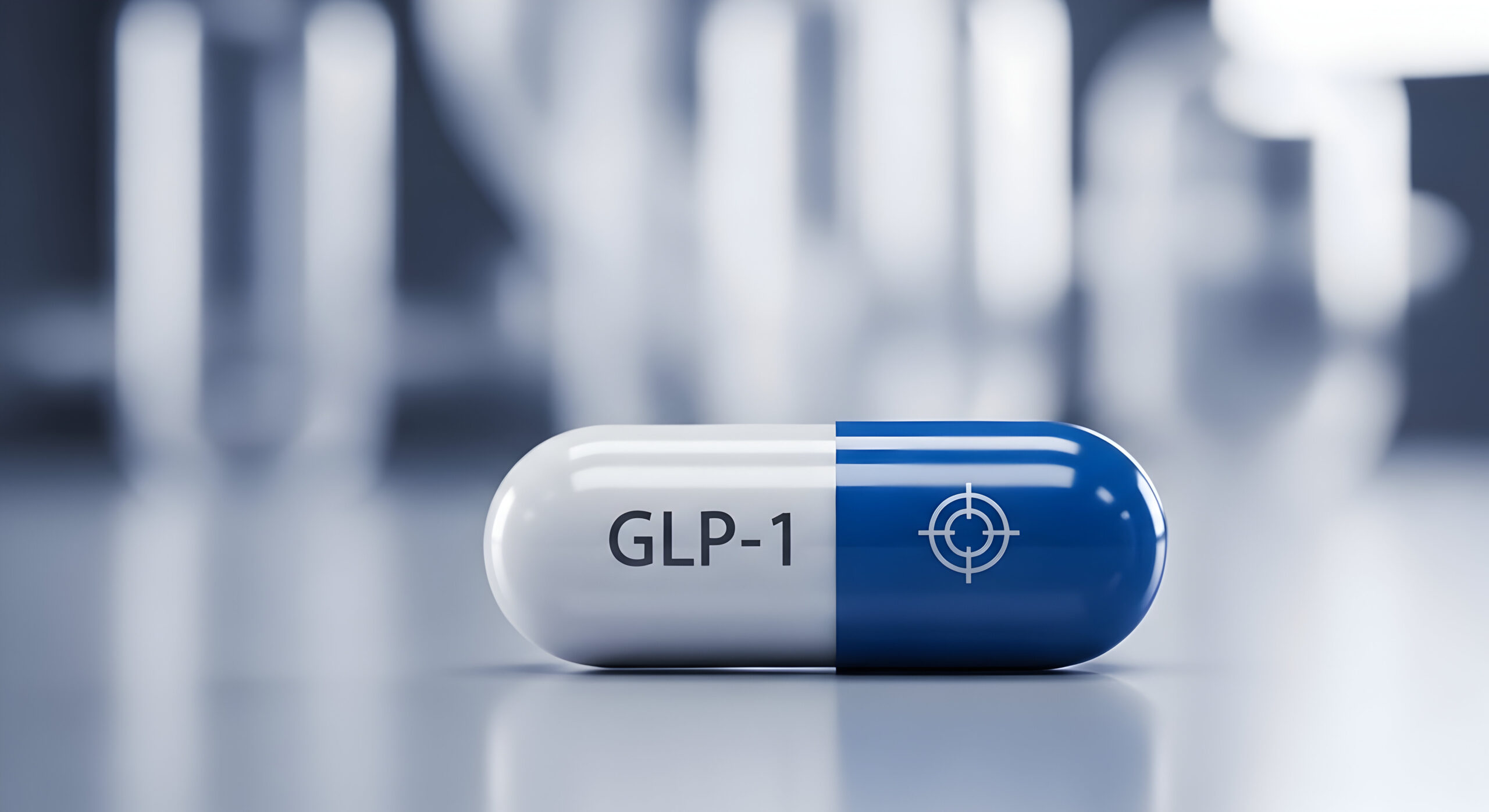
Orforglipron is a once-daily oral GLP-1 receptor agonist that achieves comparable metabolic outcomes to injectable therapy—without the adherence barriers.
Same mechanism. Same receptor activation. Different delivery system.
Here’s what makes it clinically significant:
- ✓ Oral bioavailability – Once-daily dosing, any time, with or without food
- ✓ No refrigeration – Stable at room temperature
- ✓ No injection requirements – Eliminates needle-related discontinuation
- ✓ Long half-life (29-49 hours) – Supports consistent receptor engagement
- ✓ Nonpeptide structure – Survives gastric degradation
Most importantly: 87% adherence rate in clinical practice vs. 60% for injectables.
When patients maintain therapy, outcomes follow predictably.
Orforglipron Clinical Evidence
Let me walk you through the data that changed my clinical approach:
ATTAIN-1 Phase 3 Trial — Obesity Without Diabetes (72 weeks)
Study design: 3,127 participants, randomized, double-blind, placebo-controlled
Primary outcomes:
- Orforglipron 36mg: 11.2% mean body weight reduction
- Placebo: 2.1% reduction
- 54.6% of participants achieved ≥10% weight loss (vs. 12.9% placebo)
- 36% achieved ≥15% weight loss (vs. 5.9% placebo)
- 18.4% achieved ≥20% weight loss (vs. 2.8% placebo)
Secondary outcomes:
- Significant improvements in waist circumference
- Reduction in systolic blood pressure
- Improved lipid profiles (triglycerides, non-HDL cholesterol)
ACHIEVE-1 Phase 3 Trial — Type 2 Diabetes (40 weeks)
Study design: 559 participants with T2D, inadequate glycemic control
Primary outcomes:
- A1c reduction: 1.3-1.6 percentage points (dose-dependent)
- 65% of participants achieved A1c ≤6.5% (non-diabetic range)
- Mean weight loss: 7.9% at 36mg dose (approximately 16 lbs)
Key observation: Weight loss had not plateaued at study completion, suggesting continued benefit with extended therapy.
Safety Profile
Adverse events consistent with GLP-1 receptor agonist class:
- Most common: Gastrointestinal effects (nausea, diarrhea, constipation)
- Severity: Predominantly mild to moderate
- Timing: Primarily during dose escalation
- Discontinuation rate: 10-17% (comparable to injectable GLP-1s)
No unexpected safety signals, hepatotoxicity, or thyroid concerns in clinical trials.
The safety profile mirrors what we see with injectable GLP-1s, which makes sense, given the shared mechanism of action.
Understanding the Side Effect Profile of Orforglipron
One of the most common questions I receive: “How does the tolerability compare to injectable GLP-1s?”
The answer: Nearly identical.
This shouldn’t surprise us. Orforglipron activates the same GLP-1 receptors as semaglutide and tirzepatide. The side effect profile reflects the mechanism, not the delivery method.
Expected Side Effects (GLP-1 Class Effects)
Gastrointestinal (most common):
- Nausea (typically during dose escalation)
- Diarrhea
- Constipation
- Mild abdominal discomfort

Characteristic pattern:
- Onset during the titration phase
- Generally mild to moderate severity
- Often resolved with continued therapy
- Manageable with slower dose escalation if needed
Discontinuation rate due to adverse events: 10-17% across dose ranges—statistically comparable to injectable GLP-1 therapy.
What We’re NOT Seeing
- No hepatotoxicity signals (unlike some earlier oral GLP-1 candidates)
- No thyroid-related concerns in clinical trials
- No unexpected cardiovascular events
- No novel safety signals beyond established GLP-1 oral capsule class effects
Clinical Perspective
If a patient tolerates injectable GLP-1 therapy, they can typically tolerate Orforglipron.
The difference: When side effects are manageable, oral administration significantly improves long-term adherence.
It’s easier to continue taking a daily pill through temporary GI discomfort than to maintain weekly injections.
Why Traditional Medicine Can’t Offer Orforglipron Yet
Here’s the reality most physicians face:
Orforglipron is not FDA-approved for obesity or diabetes treatment. Eli Lilly is filing for regulatory approval in late 2025, with potential approval in 2026.
Until then, conventional practitioners are limited to:
- Currently approved medications (injectable GLP-1s, oral semaglutide)
- Waiting for regulatory clearance
- Managing patients through the traditional prescription pipeline
This creates a significant gap for informed patients who:
- Understand the clinical data
- Have a legitimate therapeutic need
- Cannot tolerate or maintain injectable therapy
- Don’t want to wait 12-18 months for regulatory approval
This is where physician-supervised compounding creates a legal pathway.
In Canada, licensed physicians can supervise access to pharmacy-grade compounded medications through established regulatory frameworks—providing patients with legitimate therapeutic options while maintaining medical oversight and quality standards.
This isn’t “gray market” access. It’s physician-supervised pharmaceutical compounding—a well-established practice in Canadian medicine.
Three Pathways to GLP-1 Therapy
For patients seeking GLP-1 receptor agonist therapy today, there are essentially three options:
1: Traditional Prescription Channel (2026+)
- Wait for FDA approval and conventional prescribing
- Continue with injectable GLP-1 therapy during the interim
- Navigate insurance authorization processes
- Accept typical costs: $800-$1,200/month retail
- Best for: Patients who prefer to wait for full regulatory approval
2: Unregulated Sources
- Online suppliers without medical oversight
- Unknown product quality and purity
- No Certificate of Analysis or batch testing
- Legal ambiguity
- No physician supervision
- Reality: This is what many informed patients—including physicians—resort to when other options aren’t available
3: Physician-Supervised Pharmaceutical Compounding
- Licensed physician oversight (Dr. Goel and medical team)
- Pharmacy-grade compounding in GMP-certified Canadian facilities
- Certificate of Analysis with traceable lot numbers
- Structured dosing protocols based on clinical trial data
- Medical supervision throughout treatment
- Legal framework through Canadian pharmaceutical compounding regulations
- Available now without waiting for the FDA approval process
This is the model we built The OTC MD around.
Not because we’re trying to circumvent the system—but because informed patients with legitimate therapeutic needs deserve access to quality, supervised treatment without choosing between safety and availability.
Clinical Outcomes in Practice
While individual results vary, our patient outcomes align closely with published clinical trial data:
Patient case example — Injectable transition:
“After 14 months on semaglutide, I had achieved significant weight loss but found the weekly injections increasingly difficult to maintain while traveling for work. Transitioning to orforglipron through The OTC MD allowed me to continue therapy without injection-related disruption. I’ve maintained my progress and lost an additional 18 pounds over 12 weeks.”
— S.M., Healthcare Administrator, Toronto
Physician experience:
“As a practicing physician, I approached this with appropriate skepticism. After reviewing the NEJM publications and safety data, I began supervised therapy myself. The metabolic benefits match what I’ve seen with injectable GLP-1s in my patients—A1c reduction from 6.8 to 5.9, 22-pound weight loss—but without the adherence challenges.”
— Dr. J.K., Family Medicine, Vancouver
Business traveler perspective:
“Managing injectable therapy with 200+ travel days annually was unsustainable. The refrigeration requirements alone created constant logistical problems. Oral administration eliminated those barriers entirely. Compliance is no longer an issue.”
— M.T., Management Consultant, Calgary
These outcomes reflect what we see consistently: When adherence barriers are removed, clinical benefits follow predictably.
The Pharmacology: Why Oral Administration Works
Understanding why Orforglipron succeeds where previous oral GLP-1 attempts failed requires understanding the chemistry.
The Peptide Problem
Traditional GLP-1 receptor agonists (semaglutide, liraglutide, dulaglutide) are peptide-based molecules—chains of amino acids that mimic the structure of endogenous GLP-1.
Why do they require injection:
- Large molecular size limits absorption
- Susceptible to enzymatic degradation in the GI tract
- Stomach acid destroys peptide bonds
- Cannot achieve therapeutic bioavailability orally
Exception: Rybelsus (oral semaglutide) requires a specialized absorption enhancer (SNAC) and strict dosing requirements—fasting state, limited water, 30-minute wait before eating. Compliance is challenging.
The Orforglipron Advantage
Orforglipron is a nonpeptide small molecule GLP-1 receptor agonist.
Key structural differences:
- Small molecular size enables GI absorption
- Resistant to enzymatic degradation
- Survives gastric acid exposure
- No absorption enhancer required
- No food/water restrictions
Pharmacokinetics:
- Half-life: 29-49 hours (supports once-daily dosing)
- Steady-state plasma concentrations are achieved within 7-10 days
- Dose-proportional exposure across the therapeutic range
Mechanism of Action
Once absorbed, orforglipron binds to GLP-1 receptors in:
- CNS (hypothalamus) — Reduces appetite, increases satiety signaling
- GI tract — Slows gastric emptying, prolongs nutrient absorption time
- Pancreatic beta cells — Glucose-dependent insulin secretion
- Peripheral tissues — Improved insulin sensitivity, reduced gluconeogenesis
Unique pharmacological profile:
- Potent partial agonist of GLP-1 receptor
- Greater effect on cAMP signaling vs. β-arrestin recruitment
- May reduce receptor desensitization compared to full agonists
Same therapeutic outcomes as injectable GLP-1s. Different—and more practical—delivery mechanism.
Clinical Indications and Contraindications
Orforglipron Appropriate Candidates
Orforglipron therapy through The OTC MD may be appropriate for individuals who:
✅ Have obesity (BMI ≥30) or overweight (BMI ≥27) with weight-related comorbidities
✅ Have documented challenges with injectable GLP-1 therapy adherence
✅ Travel frequently and find refrigeration requirements impractical
✅ Experience needle anxiety that impairs treatment compliance
✅ Have pre-diabetes or metabolic syndrome requiring intervention
✅ Seek physician-supervised metabolic optimization
✅ Value access to evidence-based therapies without regulatory delays
✅ Understand that sustainable results require lifestyle optimization alongside medication
Not Appropriate For
❌ Individuals seeking rapid weight loss without lifestyle modification
❌ Those unwilling to follow physician-guided protocols
❌ Patients who prioritize the lowest cost over quality and supervision
❌ Individuals satisfied with current injectable GLP-1 regimens
❌ Those who prefer waiting for FDA approval before initiating therapy
Absolute Contraindications
- Personal or family history of medullary thyroid carcinoma
- Multiple Endocrine Neoplasia syndrome type 2
- Pregnancy or planned pregnancy
- Severe gastroparesis
- History of pancreatitis (relative contraindication—requires individual assessment)
All candidates undergo medical assessment before protocol initiation.
The OTC MD Quality Framework
The gap we’re addressing is real: Informed patients with legitimate therapeutic needs currently face a choice between waiting for regulatory approval or accessing unregulated sources without medical oversight.
Neither option is acceptable.
Our model provides a third pathway through physician-supervised pharmaceutical compounding. Here’s how we maintain clinical standards:
1. Licensed Physician Leadership
Dr. Sanjeev Goel, MD (CPSO #71460)
- 25+ years in metabolic and longevity medicine
- Licensed practicing physician in Ontario
- Founding director, Peak Human Labs
- Full medical accountability for all clinical protocols
2. Pharmaceutical-Grade Compounding
Every batch is compounded in GMP-certified compounding facilities that meet Health Canada & FDA standards:
- Sterile compounding facility certification
- Regular quality audits and inspections
- Complete traceability and documentation
- Adherence to USP <795> and <797> standards
3. Certificate of Analysis
Each order includes:
- Batch-specific lot numbers
- Third-party analytical testing results
- Purity verification
- Potency confirmation
- Complete chain of custody documentation
4. Evidence-Based Protocols
Our dosing protocols are derived directly from published clinical trial data:
- Structured titration schedules
- Evidence-based target dosing
- Side effect management guidelines
- Clear discontinuation criteria
5. Ongoing Medical Supervision
- Initial medical assessment for all patients
- Direct email access to the physician team
- Protocol adjustments based on individual response
- Community forum for peer support (500+ active members)
6. Transparent Pricing Structure
No hidden fees, subscription traps, or insurance negotiations.
Price: $150/month includes:
- Pharmacy-grade compounded medication
- Certificate of Analysis
- Physician-guided protocol
- Medical team email access
- Community membership
Is this more expensive than unregulated sources? Yes.
Is it less expensive than injectable GLP-1 retail pricing? Also yes.
What you’re paying for: Quality assurance, medical supervision, and pharmaceutical standards—not just the molecule.
Six-Step Treatment Protocol and Initiation Process
Our approach follows established clinical trial protocols with physician supervision:
1: Medical Assessment (2-3 minutes)
Complete a brief health questionnaire covering:
- Current medical conditions
- Medication history
- Previous GLP-1 therapy experience (if any)
- Treatment goals and contraindications
2: Physician Review (Same Day)
Dr. Goel or the supervising physician reviews the assessment to confirm:
- Appropriate clinical indication
- No contraindications present
- Optimal starting protocol
- Any individual modifications needed
3: Protocol Initiation
Once approved:
- Medication ships within 24 hours
- Discreet packaging, secure delivery
- Certificate of Analysis included
- Dosing instructions provided
4: Titration Schedule
Following published clinical trial protocols:
- Start at a low dose (typically 3-6mg daily)
- Gradual escalation at 4-week intervals
- Target maintenance dose based on tolerance and response
- Flexible adjustment if side effects occur
5: Ongoing Supervision
Throughout treatment:
- Email access to the medical team for questions
- Protocol adjustments as needed
- Community forum access for peer support
- Regular check-ins to assess progress
6: Long-Term Management
Sustained therapy with:
- Continued medical supervision
- Lifestyle optimization guidance
- Monitoring of metabolic markers
- Protocol refinement based on outcomes
Our Clinical Commitment
Quality Assurance:
Every batch of medication includes a Certificate of Analysis with third-party verification. If any product fails to meet pharmaceutical standards, full replacement or refund is provided immediately.
Medical Supervision:
All patients have direct email access to our physician team throughout treatment. Protocol adjustments are made based on individual response and tolerance.
Adherence Support:
Our 87% adherence rate reflects the combination of oral administration convenience and ongoing medical support. We’re committed to helping patients maintain therapy long-term.
Outcome Transparency:
We track patient outcomes and adjust protocols based on real-world results. Clinical benefits should align with published trial data when patients maintain adherence and lifestyle optimization.
If you’re not seeing measurable progress after 12 weeks of consistent adherence to protocol, we’ll work with you to modify the approach or discuss whether continued therapy is appropriate.
Orforglipron Regulatory Context and Timeline
Current Status
Orforglipron is investigational and not yet approved by the FDA or Health Canada for obesity or diabetes treatment.
Eli Lilly’s anticipated timeline:
- Regulatory submission for obesity indication: Late 2025
- Regulatory submission for diabetes indication: 2026
- Potential approval decisions: 2026-2027
Until approval, conventional practitioners cannot prescribe Orforglipron through traditional channels.
The Compounding Pathway
Canadian pharmaceutical compounding regulations allow licensed physicians to supervise access to compounded medications for patients with legitimate therapeutic needs—even when those medications are not yet approved through traditional regulatory pathways.
This is not a regulatory “loophole.” It’s an established framework that:
- Enables access to evidence-based therapies
- Maintains pharmaceutical quality standards
- Requires physician supervision
- Serves patients who cannot wait for lengthy approval processes
Key distinction: This is physician-supervised pharmaceutical compounding, not unregulated distribution.
Why This Matters for Patients
If you can benefit from GLP-1 therapy, but:
- Cannot tolerate injectable administration
- Face practical barriers to injectable compliance
- Have a legitimate therapeutic need
- Understand the current regulatory status
Physician-supervised compounding provides legal access without compromising quality or medical oversight.
Next Steps for Qualified Orforglipron Candidates
If you’re considering Orforglipron therapy and meet the clinical criteria, the process begins with a brief medical assessment.
Three pathways forward:
1. Complete Medical Assessment
2-3 minute health questionnaire
Physician review same day
Protocol initiation upon approval
2. Request More Information
Email our medical team with specific questions
Review detailed protocol documentation
Understand the complete approach before deciding
Both options maintain the same standards: Physician supervision, pharmaceutical-grade quality, and evidence-based protocols.
The difference is how much individual guidance you want before beginning.
Frequently Asked Questions
Q: Is physician-supervised compounding legal?
A: Yes. In Canada, licensed physicians can supervise access to compounded medications through established pharmaceutical compounding regulations. This is a legitimate, regulated framework—not a gray market operation.
Q: How does compounded Orforglipron compare to what’s used in clinical trials?
A: Same molecular compound, compounded to pharmaceutical standards in GMP-certified facilities. The mechanism and expected outcomes are identical.
Q: Will insurance cover this?
A: No. This is a direct-pay model, which allows us to bypass insurance authorization delays and provide immediate access. Monthly cost is $XXX [insert pricing].
Q: I’m currently on injectable semaglutide. Can I transition?
A: Many patients successfully transition from injectable to oral GLP-1 therapy. We provide physician-guided transition protocols to ensure continuity of therapeutic benefit.
Q: Can orforglipron be combined with other medications or supplements?
A: Potentially, but this requires individual medical assessment. Email our physician team with your specific situation for personalized guidance.
Q: Do you ship to the United States?
A: Here is our shipping policy: https://theotcmd.com/shipping-policy/
Q: How is this different from unregulated online peptide suppliers?
A: Three critical differences: (1) Licensed physician supervision, (2) Pharmaceutical-grade compounding in certified facilities, (3) Certificate of Analysis with third-party verification. We maintain medical and pharmaceutical standards throughout.
Q: What if I don’t see results?
A: Clinical trial data show consistent outcomes when patients maintain adherence and follow protocols. If you’re not seeing expected progress after 12 weeks of consistent adherence, we’ll work with you to modify the approach or determine if alternative therapy is more appropriate.
Q: Why should I trust this over waiting for FDA approval?
A: That depends on your individual situation. If you can tolerate and maintain injectable therapy and don’t mind waiting, traditional approval may be preferable. If injection-related barriers are preventing effective treatment, physician-supervised compounding provides quality access now. Both are legitimate choices.
Orforglipron Closing Perspective: Bridging the Gap
The challenge in modern medicine isn’t lack of innovation—it’s the lag between clinical evidence and practical access.
Orforglipron has Phase 3 data showing:
- Significant weight loss (up to 11.2% at 72 weeks)
- Meaningful A1c reduction (1.3-1.6 percentage points)
- Side effect profile consistent with established GLP-1 therapy
- Dramatically improved adherence (87% vs. 60% for injectables)
But regulatory approval won’t come until 2026 at the earliest.
Meanwhile, patients who could benefit—particularly those who struggle with injectable administration—face limited options:
- Continue injectable therapy despite compliance challenges
- Access unregulated sources without quality control or medical oversight
- Wait 12-18 months for regulatory approval
Or consider physician-supervised pharmaceutical compounding.
This isn’t about circumventing the system. It’s about recognizing that informed patients with legitimate therapeutic needs deserve access to quality, supervised treatment—even when that treatment hasn’t completed the full regulatory approval process.
That’s the model we built The OTC MD around.
Not because we’re anti-regulation. But because the current system creates a gap where patients are forced to choose between access and quality.
We’re offering a third option.
The OTC MD
Physician-supervised access to evidence-based longevity medicine
Founded and Led by Dr. Sanjeev Goel, MD
Licensed Physician (CPSO) | 25+ Years in Metabolic Medicine
Peak Human Labs | Toronto, Ontario
Clinical References
- Wharton S, et al. Orforglipron, an Oral Small-Molecule GLP-1 Receptor Agonist for Obesity Treatment. N Engl J Med. 2025. DOI: 10.1056/NEJMoa2511774
- Rosenstock J, et al. Orforglipron, an Oral Small-Molecule GLP-1 Receptor Agonist, in Early Type 2 Diabetes. N Engl J Med. 2025. DOI: 10.1056/NEJMoa2505669
- Wharton S, Bray T, Rosenstock J, et al. Daily Oral GLP-1 Receptor Agonist Orforglipron for Adults with Obesity. N Engl J Med. 2023. DOI: 10.1056/NEJMoa2302392
- Pratt E, et al. Orforglipron (LY3502970), a novel oral non-peptide glucagon-like peptide-1 receptor agonist: A Phase 1a study. Diabetes Obes Metab. 2023;25(9):2543-2553.
- Zhang K, et al. Glucagon-like peptide-1 receptor: mechanisms and advances in therapy. Signal Transduct Target Ther. 2024;9:321.